 GoodStudy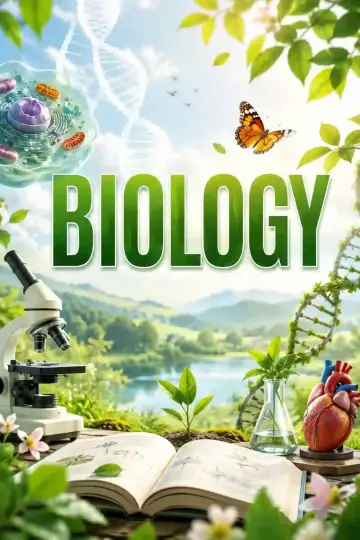
Handwritten notes
Illustrated, exam-focused notes for quick understanding.
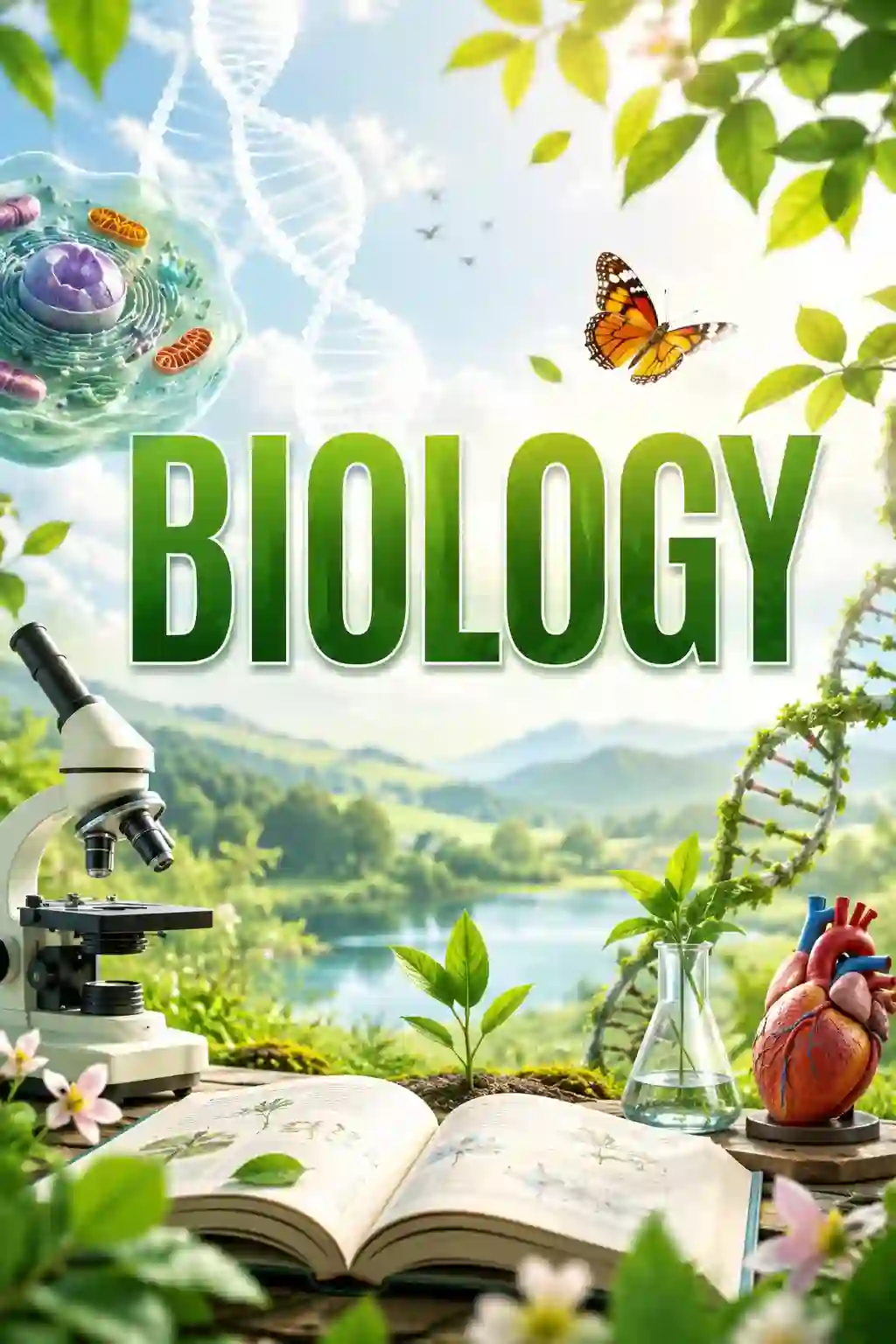
Biology covers living organisms — from cells to the human body, plants and diseases. It carries good weight in Railway and SSC papers and is largely fact-based.
The cell was discovered by Robert Hooke in 1665.
Mitochondria are called the powerhouse of the cell.
An adult human has 206 bones; the femur is the longest and the stapes (ear) the smallest.
Normal blood pressure is about 120/80 mmHg and normal body temperature 37 °C (98.6 °F).
The liver is the largest gland in the human body.
Red blood cells live about 120 days and are formed in the bone marrow.
O negative is the universal donor blood group; AB positive is the universal recipient.
Vitamin deficiencies: A — night blindness, B1 — beriberi, C — scurvy, D — rickets.
Insulin is secreted by the pancreas (islets of Langerhans); its deficiency causes diabetes.
Malaria is caused by the protozoan Plasmodium and spread by the female Anopheles mosquito.
Photosynthesis takes place in the chloroplasts of green plants.
The double-helix structure of DNA was described by Watson and Crick in 1953.
SSC-level notes — tap a topic to open it.
Full chapter notes, mind maps, topic-wise quizzes and mock tests for every subject — one Pro plan unlocks them all.
Study each human body system with a labelled diagram.
Make a vitamin–source–deficiency table.
List diseases with their cause (virus, bacteria, protozoa) and affected organ.
Watch the short videos on cells and tissues, then attempt a topic quiz.
Vitamins, diseases and human body facts form the bulk of Biology questions — revise them as tables.
Illustrated, exam-focused notes for quick understanding.
Revise whole topics at a glance before the exam.
Practise each topic with instant scores and explanations.
Fresh questions every day to keep revision consistent.