 GoodStudy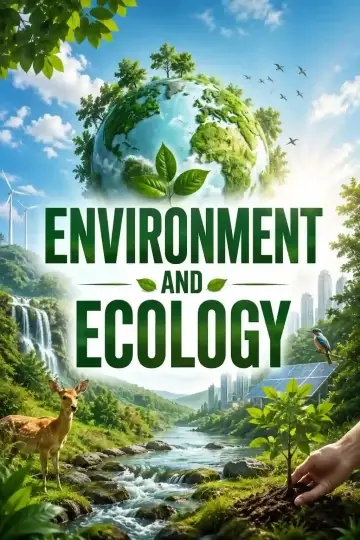
Handwritten notes
Illustrated, exam-focused notes for quick understanding.
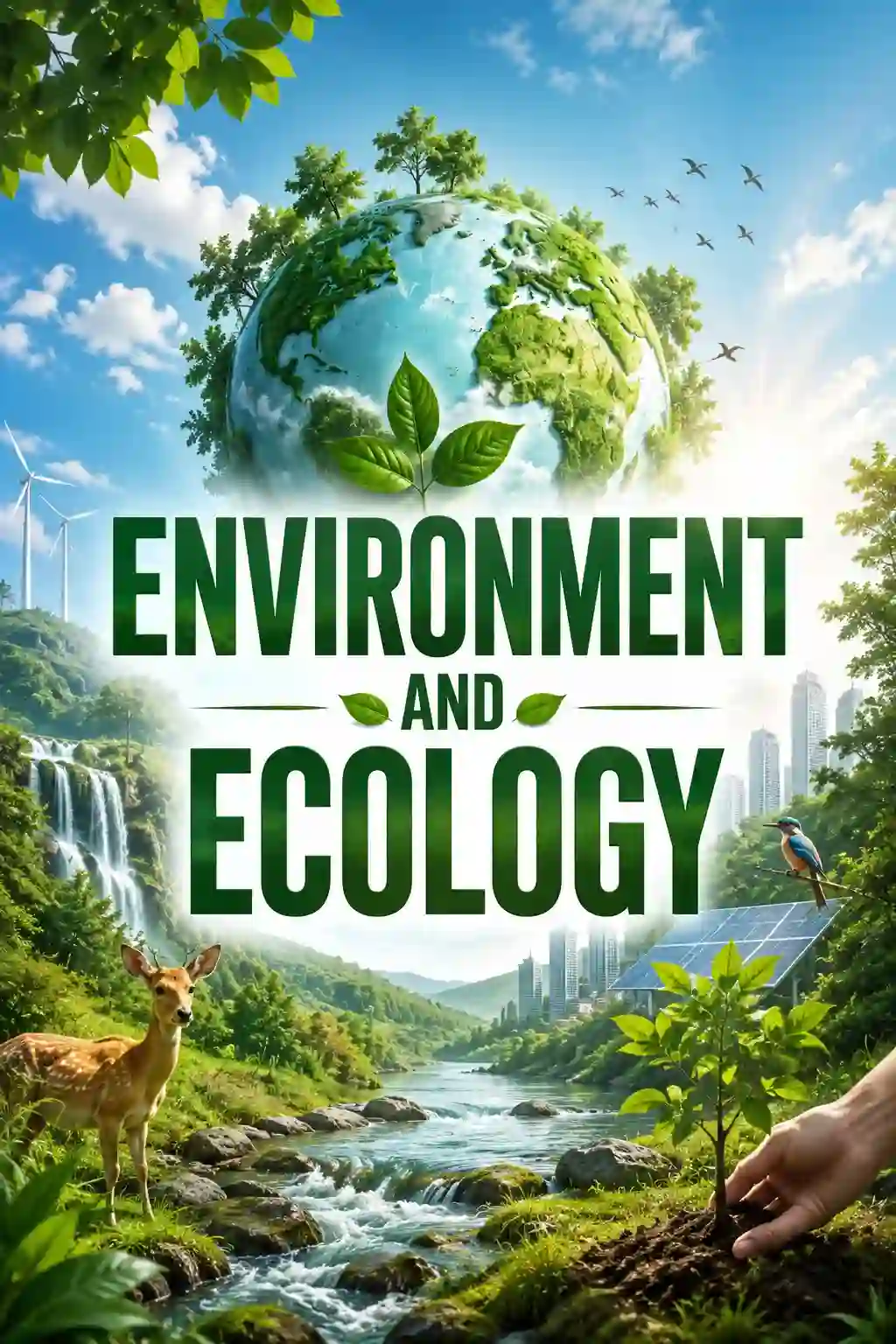
Ecosystems, biodiversity and climate — for a greener score.
Environment and ecology covers how living beings interact with their surroundings, biodiversity, pollution and climate change, along with national and international efforts to protect the environment.
The term "ecosystem" was coined by A.G. Tansley in 1935.
Only about 10% of energy passes from one trophic level to the next (Lindeman's 10% law).
India is one of the world's 17 megadiverse countries and has 4 biodiversity hotspots.
India's hotspots: Himalaya, Western Ghats, Indo-Burma and Sundaland.
The Wildlife Protection Act was passed in 1972 and the Environment (Protection) Act in 1986.
Project Tiger began in 1973 and Project Elephant in 1992.
The Ramsar Convention (1971) is for the conservation of wetlands.
The Montreal Protocol (1987) phases out ozone-depleting substances.
The Kyoto Protocol (1997) and the Paris Agreement (2015) address greenhouse gas emissions.
Carbon dioxide, methane and nitrous oxide are major greenhouse gases.
The Sundarbans (India–Bangladesh) is the largest mangrove forest in the world.
The Nilgiri Biosphere Reserve (1986) was India's first biosphere reserve; World Environment Day is on 5 June.
SSC-level notes — tap a topic to open it.
Full chapter notes, mind maps, topic-wise quizzes and mock tests for every subject — one Pro plan unlocks them all.
Understand ecological concepts first, then move to protected areas and laws.
Map national parks and biosphere reserves state-wise.
Keep a table of international conventions with year and purpose.
Link to current affairs — climate summits and environment news.
Protected areas and conventions (Ramsar, Montreal, Kyoto, Paris) are the most asked areas.
Illustrated, exam-focused notes for quick understanding.
Revise whole topics at a glance before the exam.
Practise each topic with instant scores and explanations.
Fresh questions every day to keep revision consistent.